When my youngest was six, we took the family to Italy for the first time. I won’t pretend it was seamless. There were complaints about cobblestones, opinions about pizza toppings, and one memorable afternoon in Florence where someone had a complete meltdown on the steps of the Uffizi.
We went back. And then again. Because Italy with kids, when you approach it correctly, is one of the most extraordinary trips a family can take together.
Here’s what I’ve learned — both from my own family’s trips and from planning dozens of Italian itineraries for families across Canada.
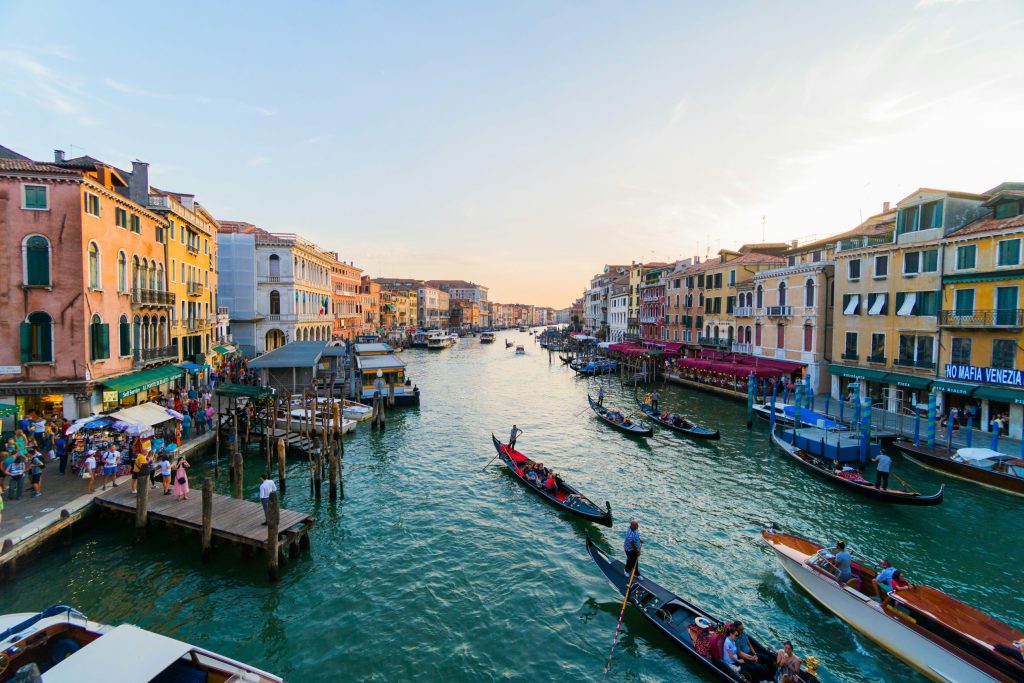
Venice is magical — but timing, pacing and logistics matter enormously with children.
Start With Rome – but pace it properly
Rome is the right starting point for a family Italy trip, but the instinct to see everything will work against you. The Colosseum, the Vatican, the Trevi Fountain, the Forum — all of it in two days is a recipe for exhaustion and resentment.
My recommendation for families: choose three or four experiences in Rome and do them properly. The Colosseum with a skip-the-line guided tour is genuinely magical for children — the scale of it, the history, the gladiator stories. The Vatican is extraordinary but overwhelming; if you’re going with younger kids, consider the Vatican Museums and skip the Sistine Chapel if the crowds are heavy that day.
Leave space for gelato, wandering, and stumbling across things. The unexpected moments in Rome are often the best ones.
The Italian Tourism Board’s family travel guide has good overviews of family-friendly experiences by region.
Florence: shorter than you think, better than you expect
Two to three days in Florence is plenty for most families. The Uffizi is worth it for art-inclined older children — but for younger kids, the real magic is the city itself: the Ponte Vecchio, the views from Piazzale Michelangelo at sunset, the incredible food.
One thing I always arrange for families: a cooking class. There is something uniquely wonderful about making pasta together as a family in a Florentine kitchen. It’s hands-on, it’s delicious, and it creates a memory that survives the rest of the trip.
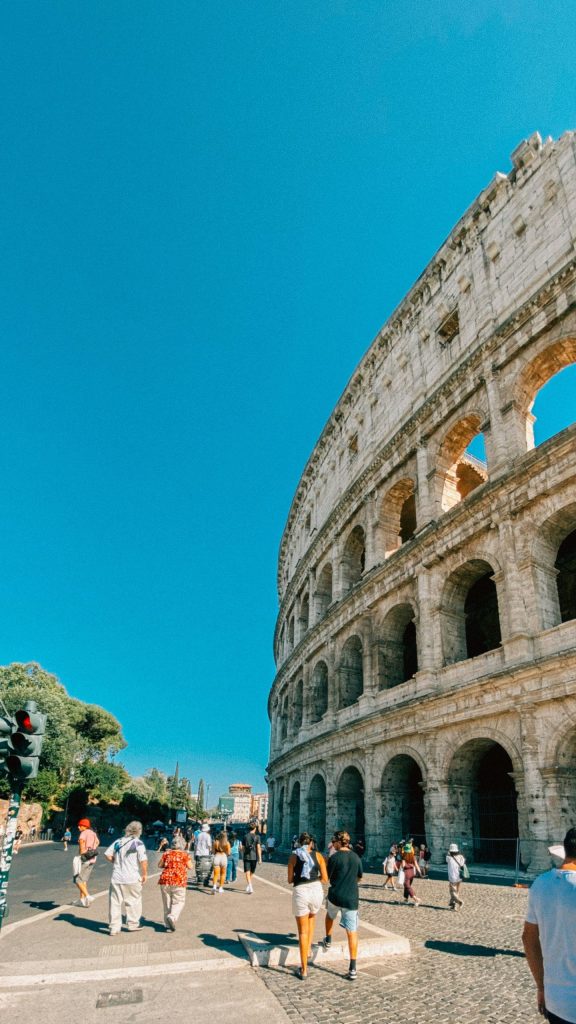
The Colosseum is one of those places that genuinely takes your breath away — even for kids who thought they didn’t care about history.
The Amalfi Coast: beautiful and complicated
The Amalfi Coast is on every family’s wish list. And it is spectacular. But it comes with practical realities that catch families off guard.
The roads are narrow, winding, and often congested — particularly in July and August. The towns are built vertically, meaning stairs everywhere. The beaches are largely pebbly, not sandy. And the famous coastal views that everyone imagines? You often see them from a car or bus rather than peacefully from a terrace.
None of this makes the Amalfi Coast less worth visiting. It just means going in with realistic expectations — and ideally, building in time at one base, like Ravello or Praiano, rather than trying to see everything.
What age works best for Italy?
Honestly? Italy works at every age — if the trip is built around your children’s reality, not an imaginary version of them.
- Under 8s: keep it simple. One city base, day trips, lots of gelato, minimal museum time. Rome or a Tuscany farmhouse work beautifully. The experience is sensory — the colours, the food, the people — and that’s genuinely enough.
- 8 to 12: this is the sweet spot. Old enough to appreciate history and art with context, young enough to still be naturally enthusiastic. Structured tours at key sites (Colosseum, Vatican) make a huge difference at this age.
- Teenagers: give them some ownership — let them pick one restaurant, one activity, one afternoon. Italy is genuinely cool to teenagers who feel like they’re experiencing it, not being dragged through it.

A family pasta-making class in Tuscany or Florence is one of the most memorable things you can do together in Italy.
The logistics nobody warns you about
- Booking sites in advance is essential. The Colosseum, the Vatican Museums, the Uffizi — all require pre-booked tickets, especially in peak season. Walk-up availability is limited and the queues without a booking are genuinely brutal.
- August is expensive and crowded. If you have any flexibility, late June or September are far more pleasant for families.
- Driving in cities is stressful. Rome, Florence and most major Italian cities have driving restrictions (ZTL zones) in historic centres. Rent a car for the countryside; use trains and transfers in cities.
- The heat in summer is significant. Plan heavier sightseeing for mornings and build in a rest period midday — especially with younger children.
Italy rewards families who’ve planned properly. The difference between a great Italy trip and a stressful one almost always comes down to the structure.If you’re thinking about Italy for your family, let’s talk. I’ll build something around your family specifically — not a template, not a standard tour. Something that actually fits.