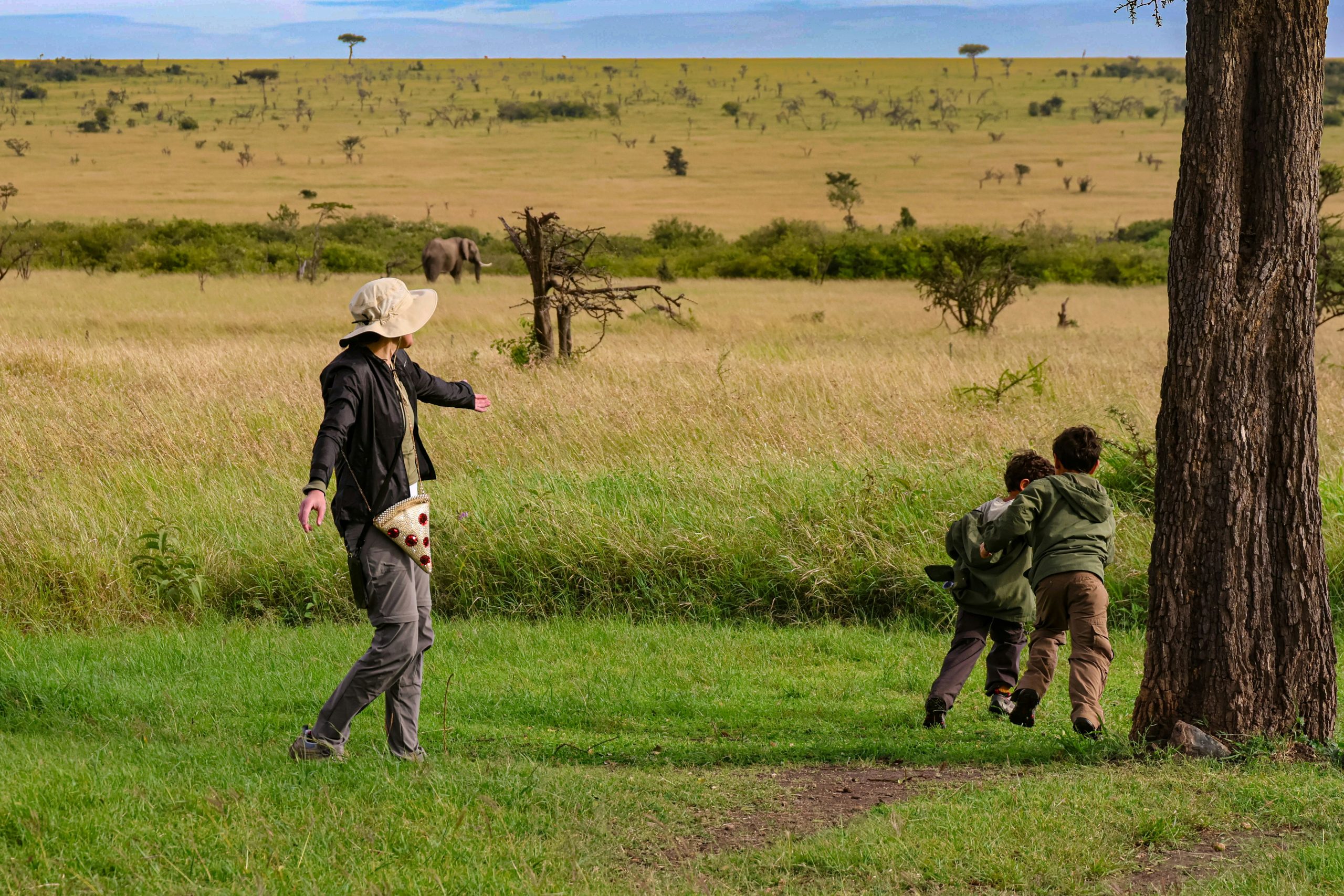
A family safari is one of those trips that lives in your memory forever. I know, because ours did. Sitting in an open vehicle at sunrise with my kids, watching a herd of elephants move through the bush in complete silence — that moment is burned into all of us.
But I’ve also heard the other version of the story. The family that chose the wrong lodge, went in the wrong month, and spent two weeks hot, bored, and wondering what the fuss was about. The difference between those two experiences isn’t luck. It’s planning.
Here’s what you need to know before you book a family safari.
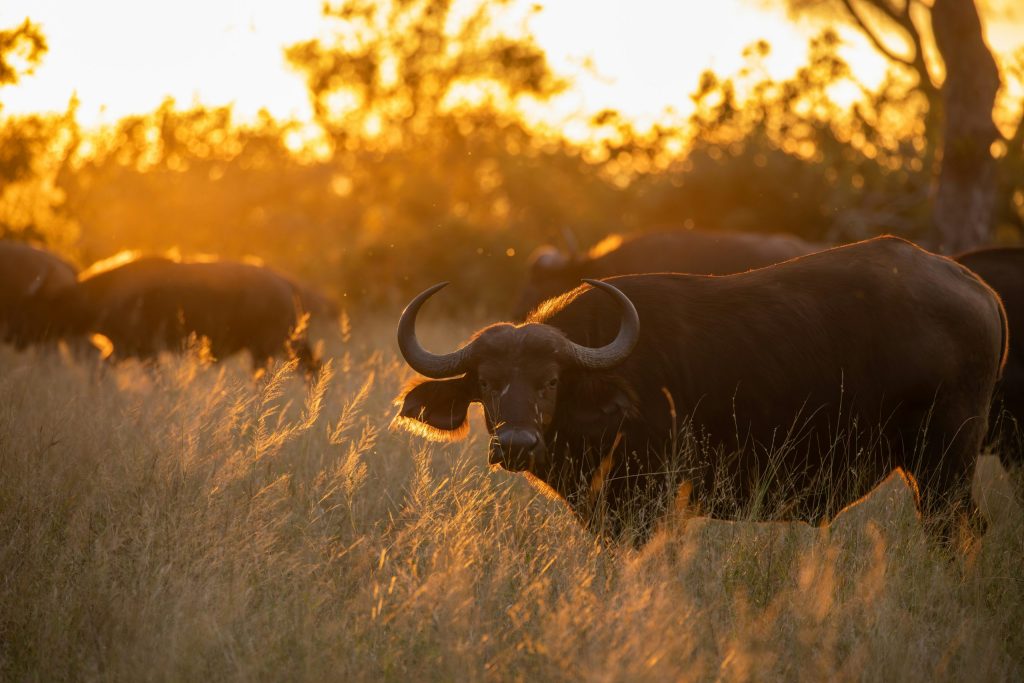
The golden hour on safari is unlike anything else. Getting there takes the right timing.
1. Season matters more than you think
The most common mistake families make is booking a safari based on when school is out — not when the wildlife is best. Africa has a wet season and a dry season, and they produce completely different experiences.
The dry season (roughly May to October, depending on region) is when animals gather around water sources and the grass is low — making them far easier to spot. Game drives are more productive, the roads are passable, and the experience is closer to what you’ve seen in documentaries.
The wet season brings lush green landscapes and newborn animals, which is beautiful in its own right — but the long grass makes spotting wildlife harder, and some roads become impassable. It’s also cheaper, which is worth considering if budget is a priority.
For families, I generally recommend the dry season for a first safari. The sightings are more reliable, which matters enormously when you have kids who may only get one chance at this trip.
For detailed seasonal guidance by country, Safari Bookings has one of the most thorough breakdowns available.
2. Choose the right destination for kids
Not all safari destinations are equal for families. Some require minimum age limits of 12 or 16 for game drives. Others are perfectly set up for children of all ages, with dedicated family suites and guides who know how to engage young travellers.
South Africa is generally considered the most family-friendly safari destination. The Kruger National Park region — particularly the private reserves like Sabi Sands — has the Big Five, exceptional lodges, and no minimum age requirements in most cases. It’s also one of the safest and most accessible countries on the continent for first-time African travellers.
Botswana and Tanzania offer extraordinary wildlife, but many camps set minimum ages of 12 or higher. If your children are younger, South Africa is almost always my first recommendation.
I’ve been to South Africa and Namibia myself — and I plan safari trips for families regularly. The right lodge makes the entire difference.
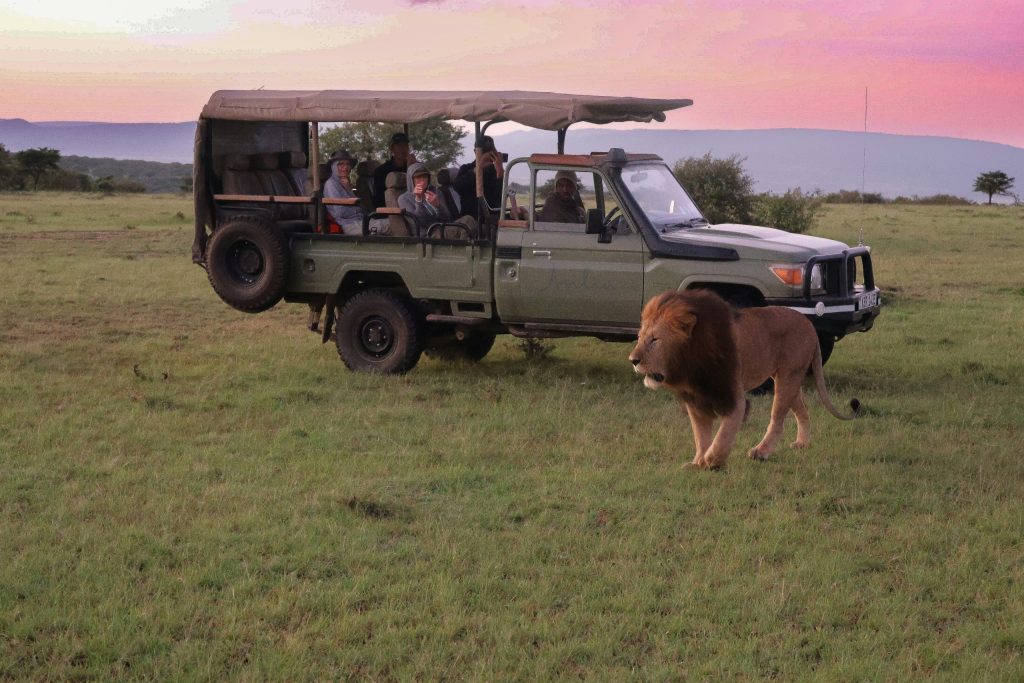
Big cat sightings are what families remember most. The right lodge and season make them far more likely.
3. The lodge is not just accommodation — it’s the experience
On a safari, you spend most of your time at the lodge. The quality of your guide, the pace of game drives, the food, the evening atmosphere around a fire — all of this is determined by the property you choose, not just the park you’re in.
I always tell families: the difference between a $400-a-night lodge and a $900-a-night lodge isn’t just the thread count. It’s the quality of the guides, the number of vehicles in the reserve, the exclusivity of the sightings, and the personal attention your family receives.
There are also lodges that are genuinely set up for families — with separate family units, children’s programmes, and guides who know how to make a game drive magical for a seven-year-old. These are not the default. You have to know which ones they are.
This is precisely where a travel advisor earns their worth. As a Virtuoso and Trevello member, I have direct relationships with properties across Southern Africa and can match your family to the right lodge — not just a good one.
4. Prepare your kids (without overpreparing them)
The kids who have the best safari experiences are the ones who have a basic sense of what to expect — without having their anticipation talked out of them beforehand.
Watch a few wildlife documentaries together before you go. Read about the Big Five. Talk about what game drives feel like — the early mornings, the quiet, the patience required. And be honest: you won’t see everything on every drive. That’s part of what makes the sightings feel like genuine discoveries.
The National Geographic Safari Guide is a beautiful way to get kids excited about the animals they’ll encounter.
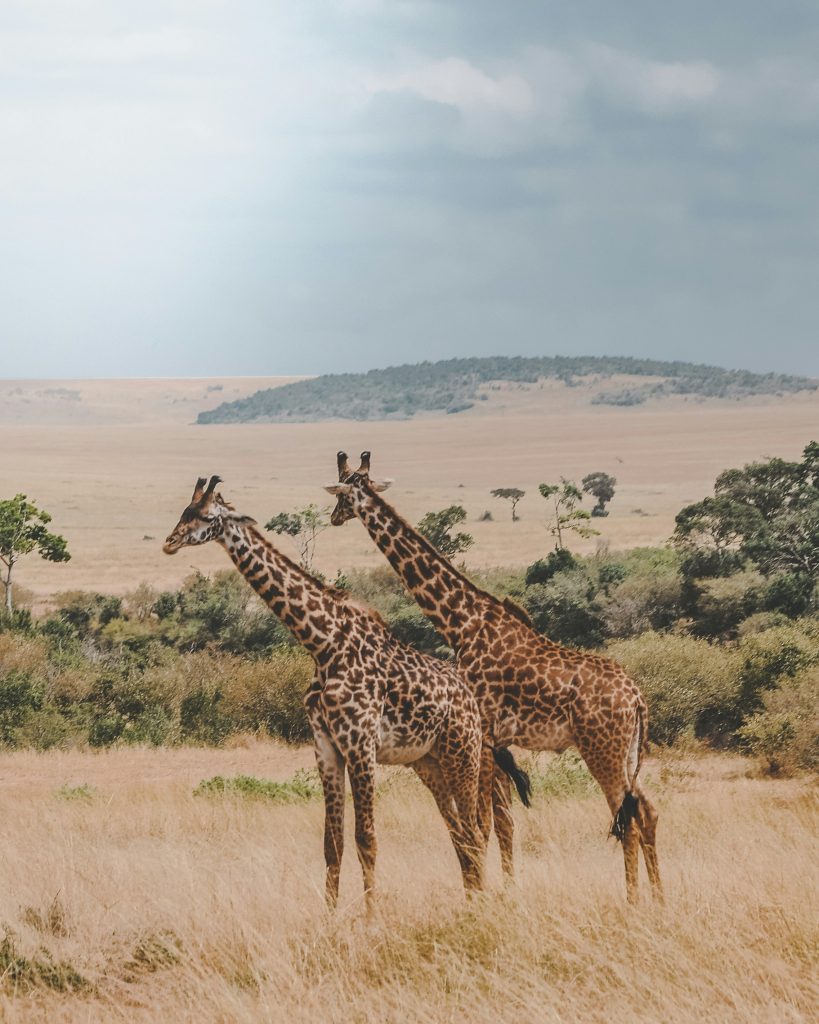
Giraffes against the African sky. Seeing them in person for the first time is something children never forget.
5. Don’t skip travel protection
A safari is a significant investment — often $10,000 to $20,000 or more for a family trip. Medical facilities in remote areas are limited. Flights are complex, with multiple connections. The risk profile of this trip is genuinely higher than a resort holiday.
Comprehensive travel insurance — including medical evacuation coverage — is not optional on a safari. It’s essential. I walk every family I work with through their coverage options before they travel, and I’ve seen exactly what happens when people skip this step.
Ready to start planning?
A family safari, done well, is one of the most extraordinary things you can give your family. It’s the trip they’ll talk about for the rest of their lives — because I know how much those shared experiences matter.
If you’ve been thinking about it, now is a good time to start planning. The best lodges and peak season dates fill up months in advance.